Journal

A chronicle of people, places, happenings, and creations we admire.

The Month of February

A Recap of our discoveries in February.
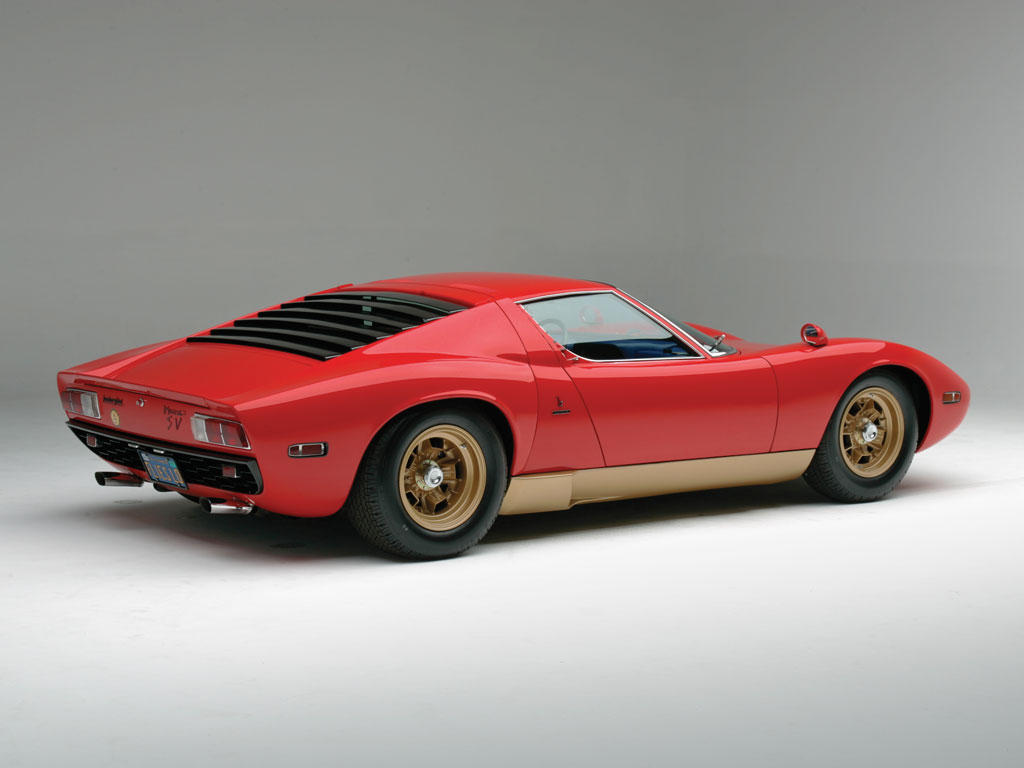
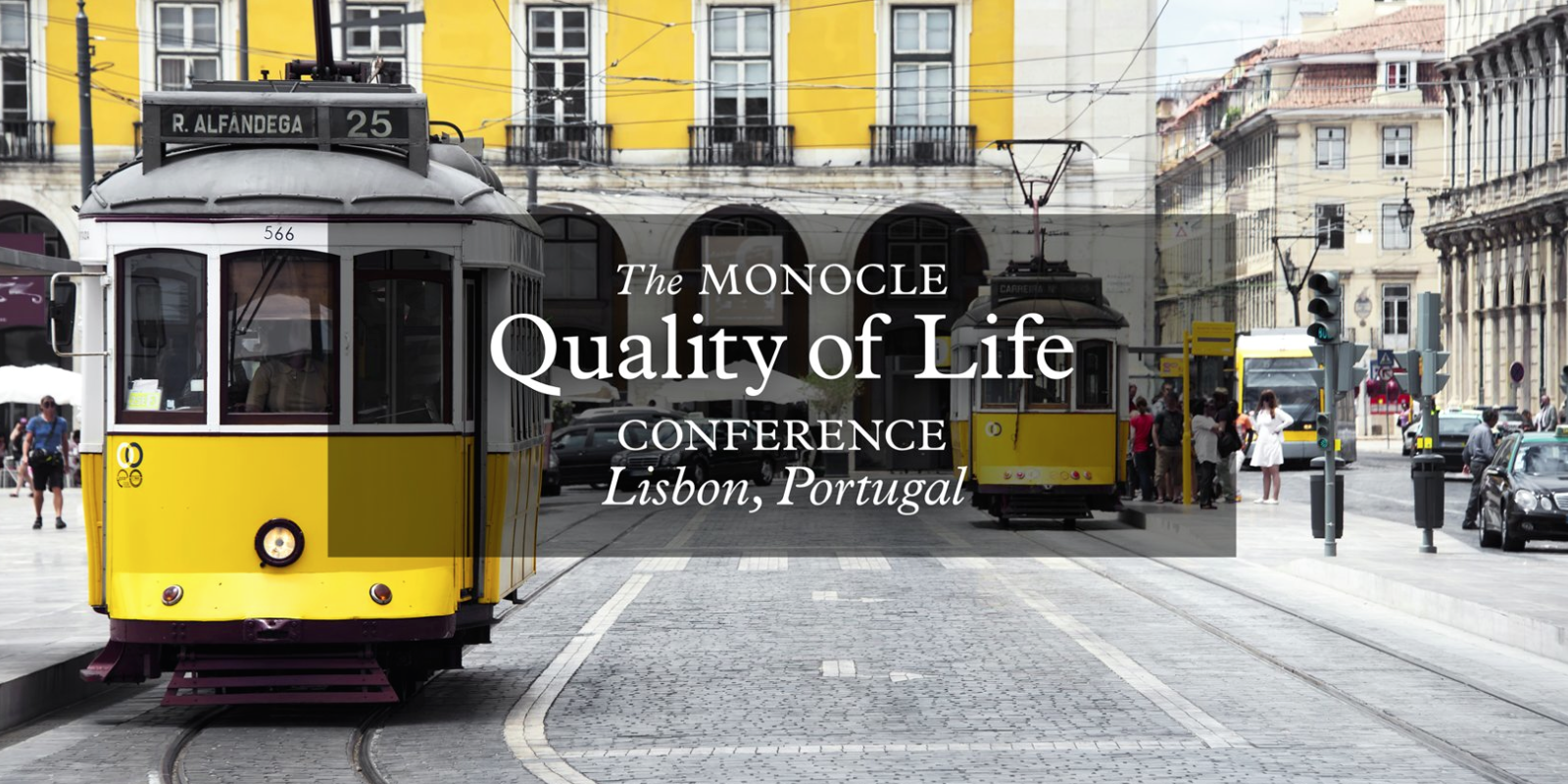
(Left to right from top)

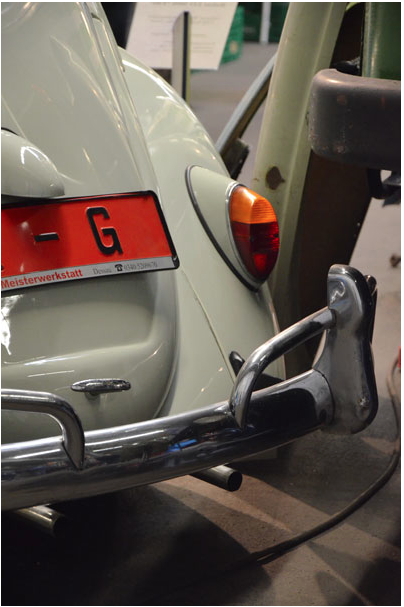
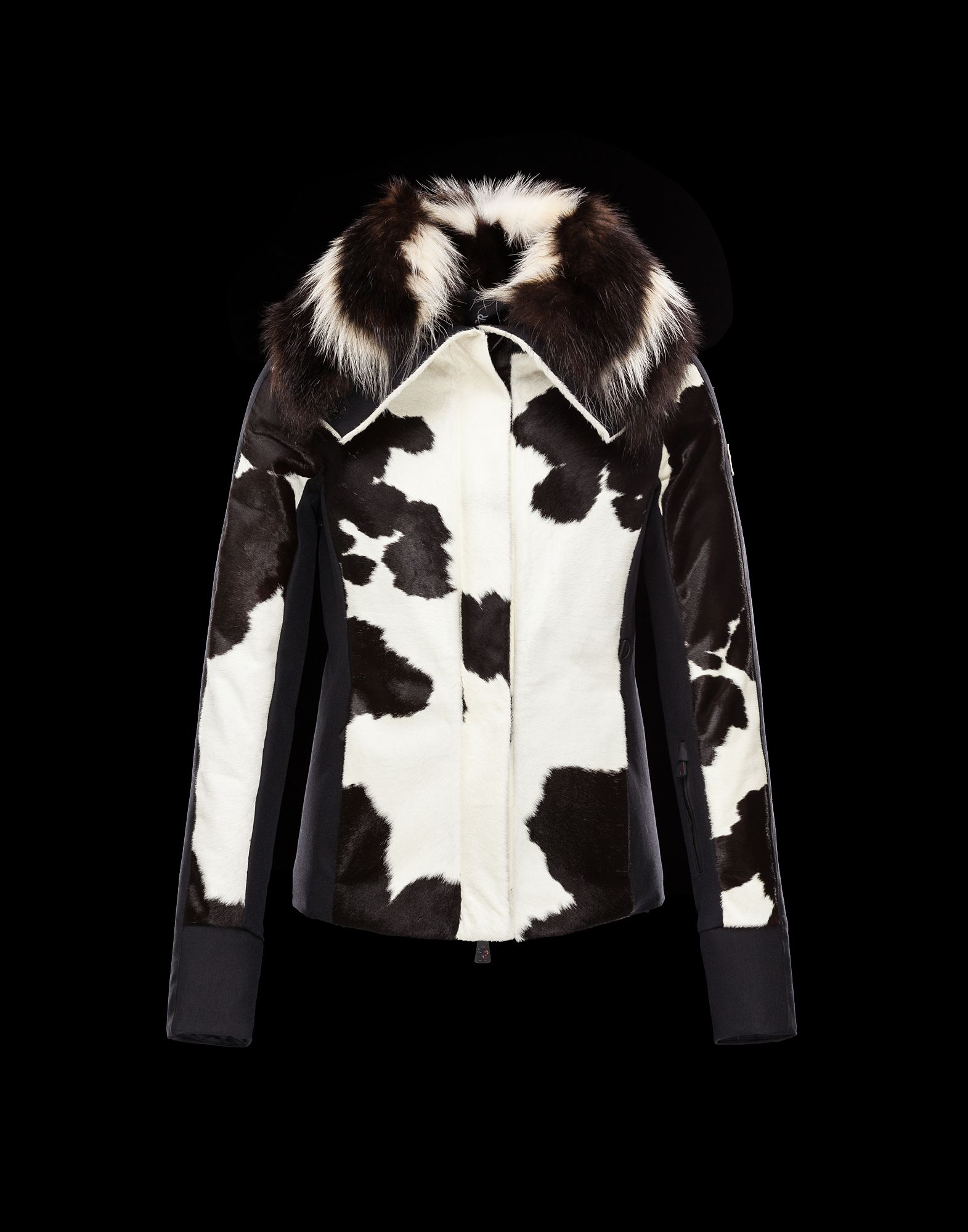
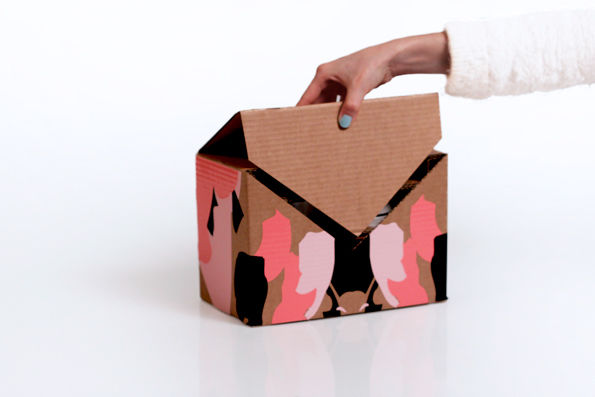
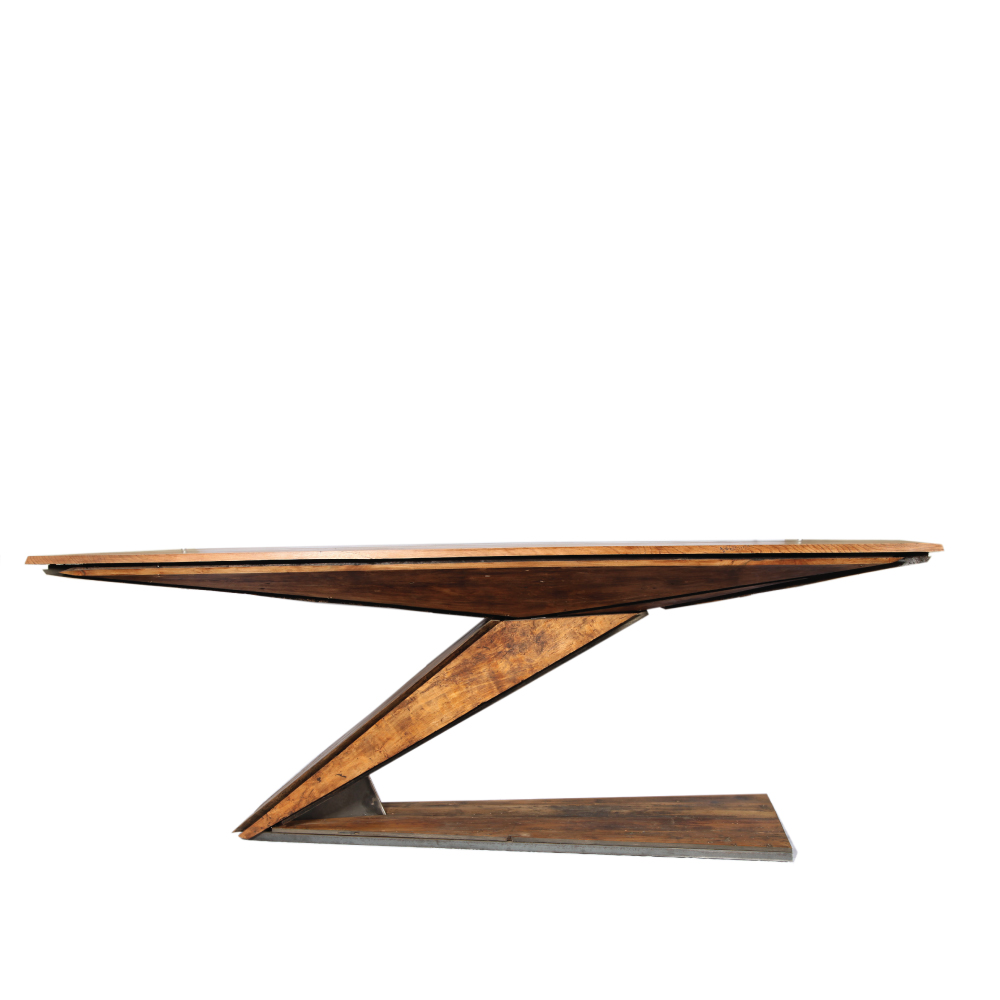
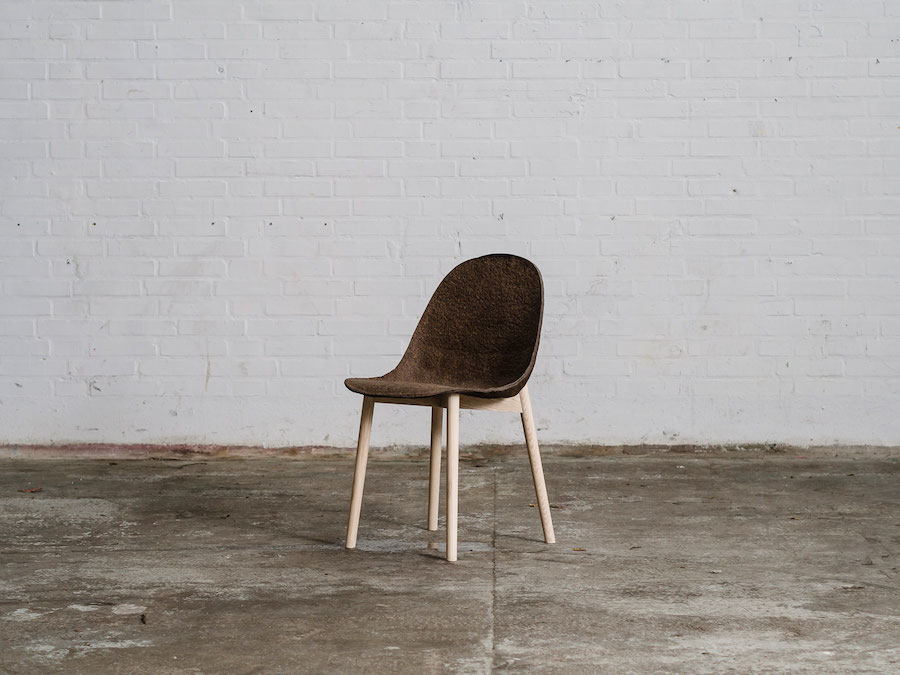
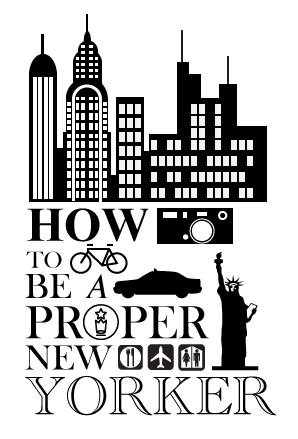
1.1971 Lamborghini Miura SV at RMSotheby's / 2. MONOCLE Quality of Life Conference, Lisbon 2015 / 3. Formfreu.de Photo Blog / 4. MONCLER Grenoble 'Evry' Jacket FW15 / 5. Corner Pack Shipping Boxes / 6. Enrico Marone-Cinzano Furniture Collection / 7. The New Yorker '90 for 90' / 8. The Cliff Vaughs Story / 9. Pia Mouwitz / 10. Ice Hotel, Jukkasjärvi, Sweden / 11. The Terroir Project /  12. How to be a Proper New Yorker
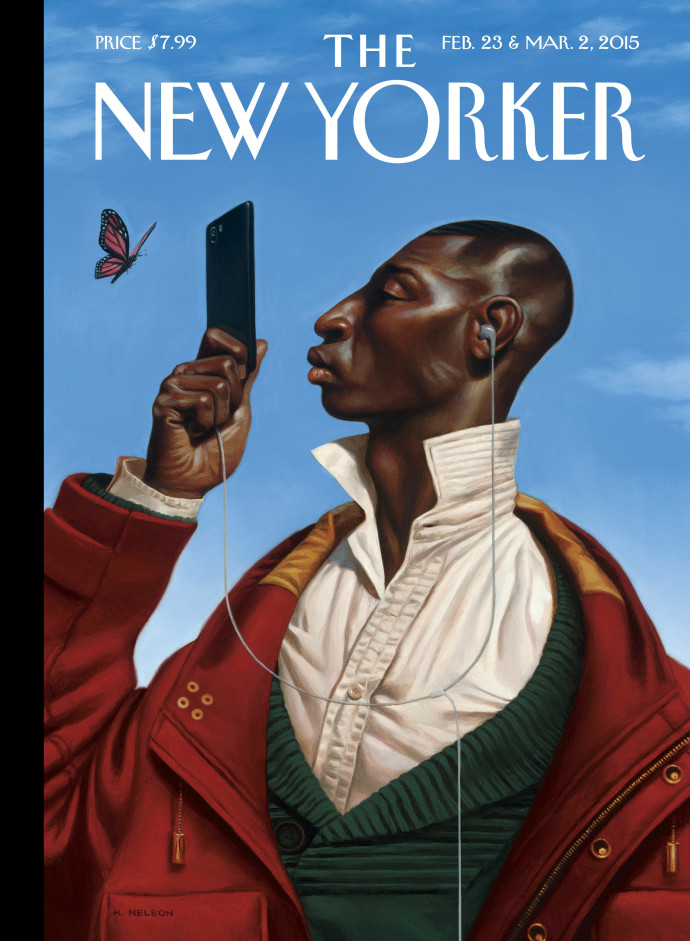
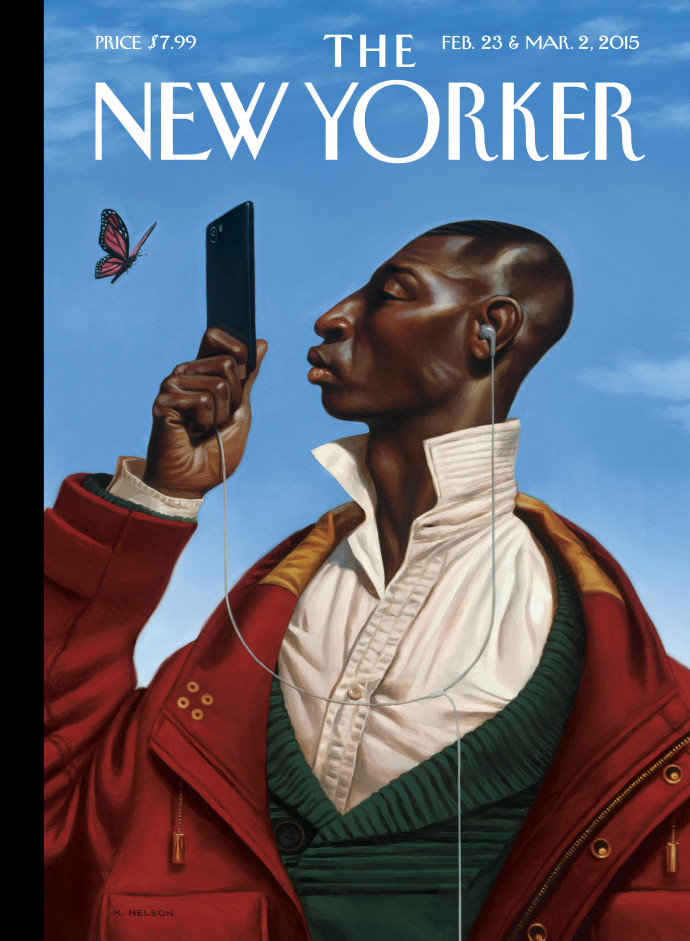
The New Yorker: 90 for 90

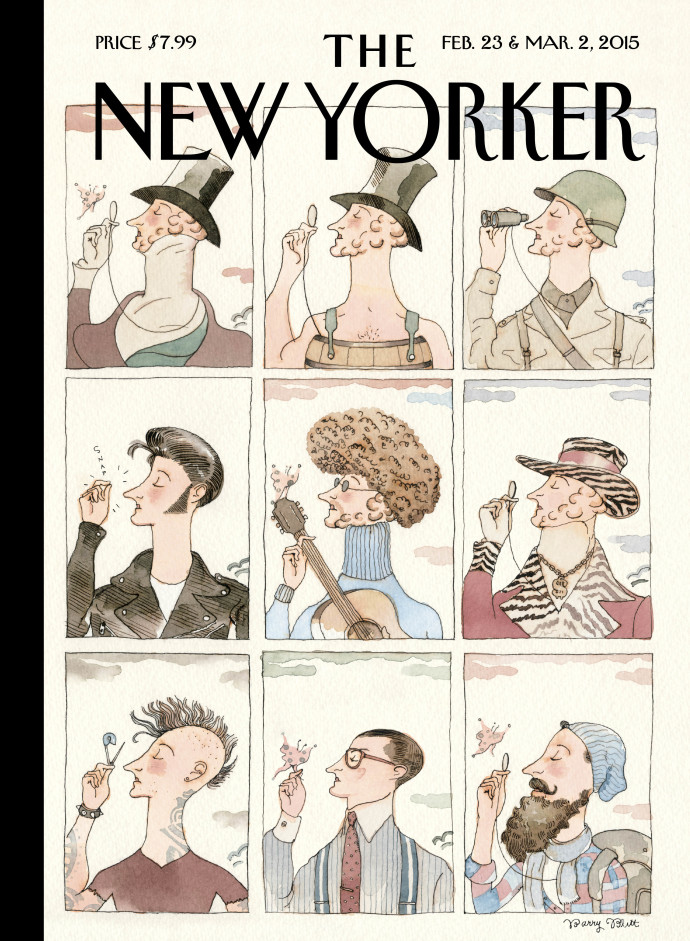
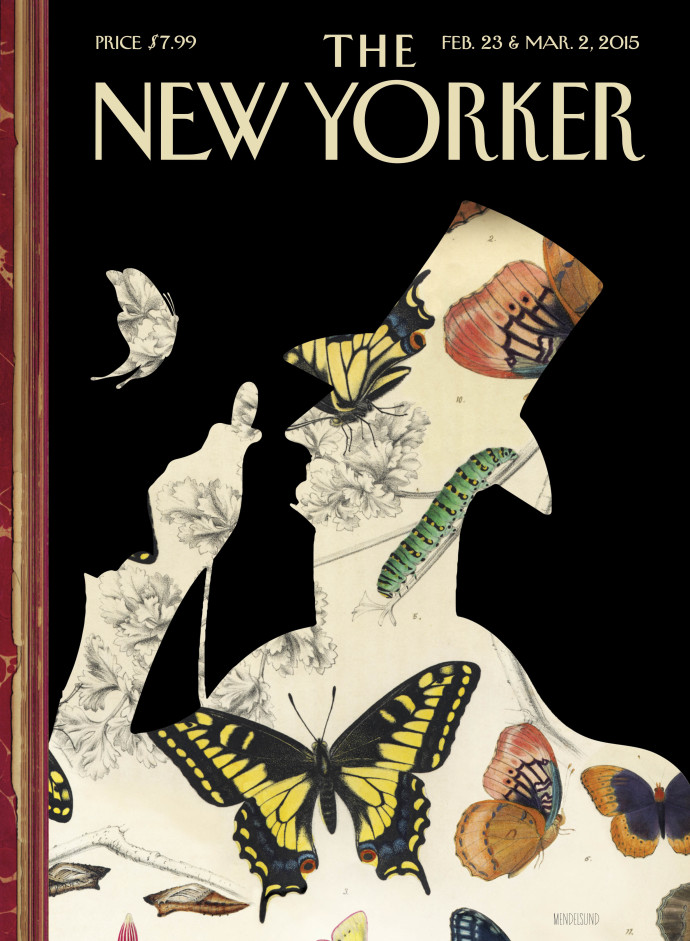
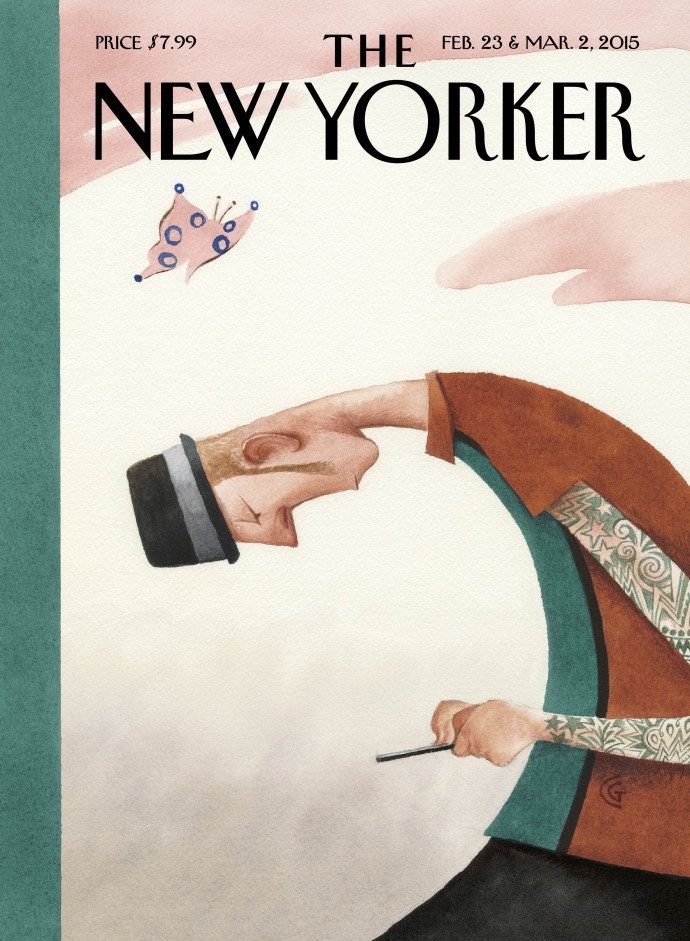
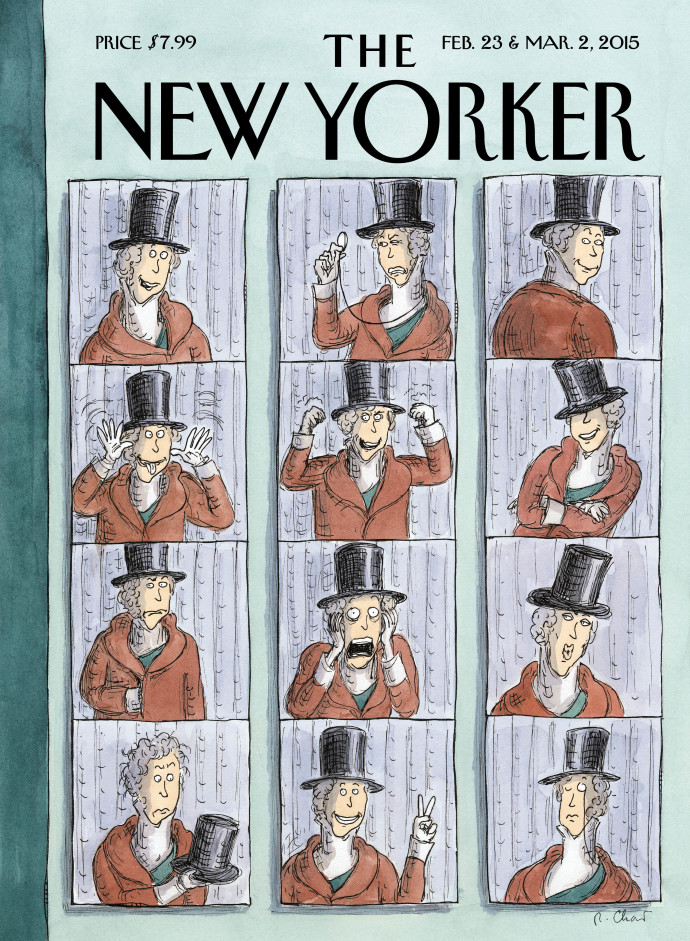
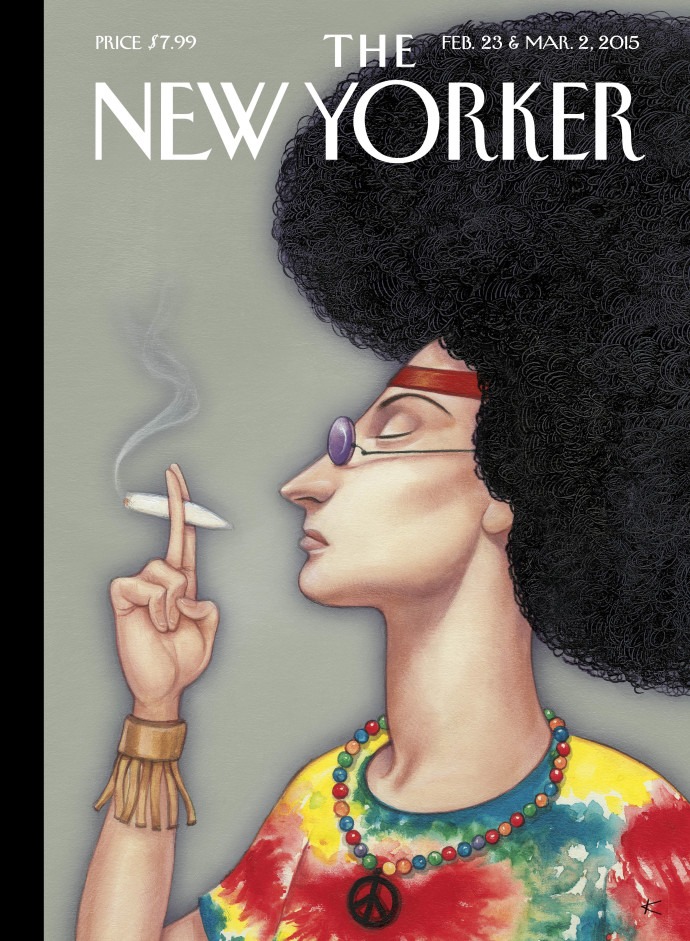
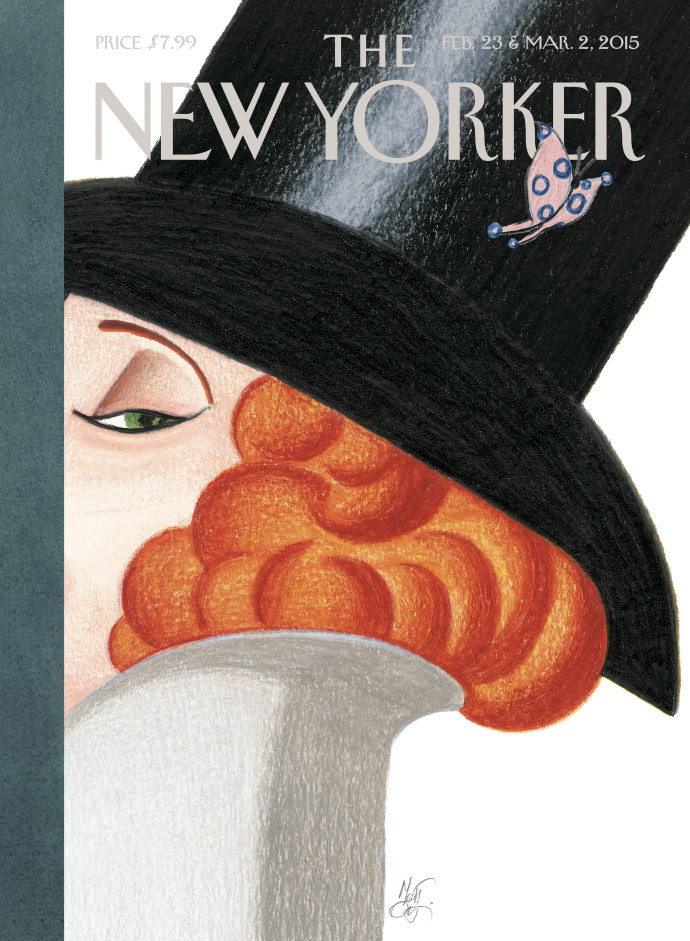
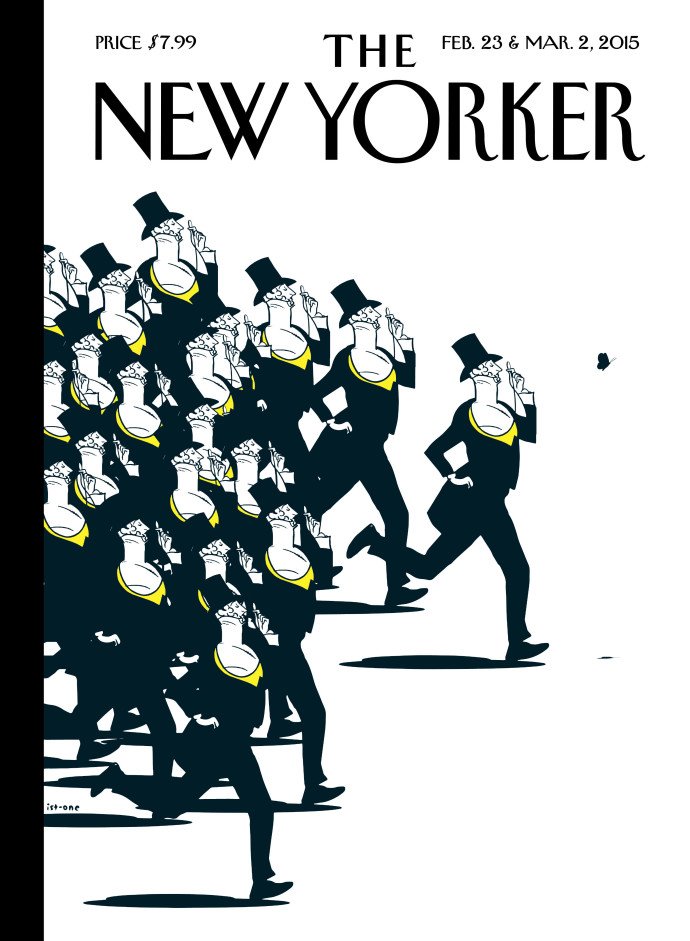
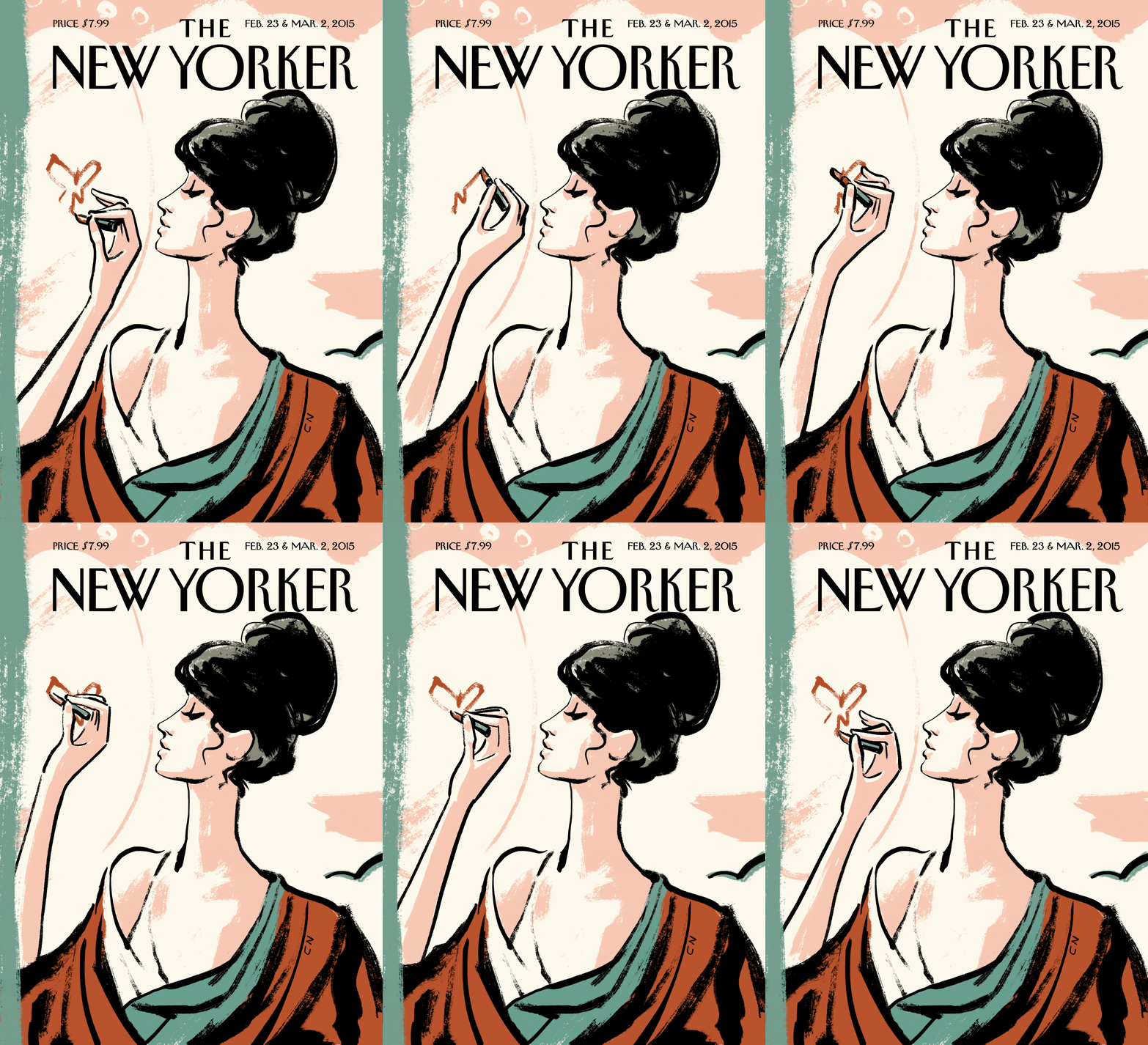
Venerable magazine and institution (whose subscription department once sent Marge Simpson a rejection letter, lol) celebrates its 90th birthday this year.  Various versions of the ever-present Eustace Tilley, that monocled aristocrat that has solidified the brand since 1925, is expressed by a host of new and returning cover artists for this issue.

http://www.newyorker.com

Follow @newyorker

Credits: Top to bottom from left: Kadir Nelson, Barry Blitt, Peter Mendelsund, Carter Goodrich, Roz Chast, Anita Kunz, Lorenzo Mattotti, Istvan Banyai, Christoph Niemann

FORMFREU.DE Blog

©Markus Haub / Thomas Sälzle

©Markus Haub / Thomas Sälzle

©Markus Haub / Thomas Sälzle

©Markus Haub / Thomas Sälzle

©Markus Haub / Thomas Sälzle

©Markus Haub / Thomas Sälzle

©Markus Haub / Thomas Sälzle

©Markus Haub / Thomas Sälzle

©Markus Haub / Thomas Sälzle

©Markus Haub / Thomas Sälzle

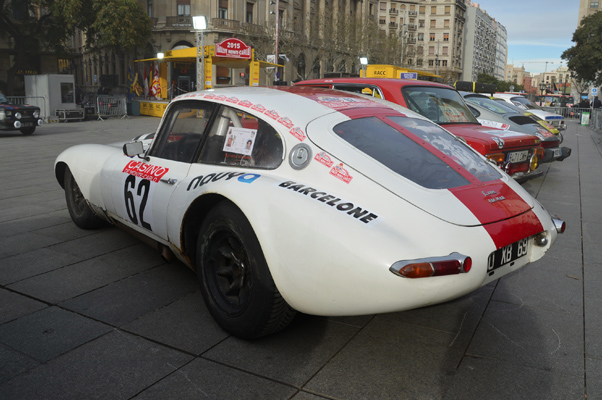
Formfreu.de has been a favorite photo blog of ours for a long time. Started by Markus Haub and Thomas Sälzle in 2007, they are able to consistently create evocative content on subjects from culture to automobiles.  Strong color and composition, emotion, irony and humor are immediately evident in their work.  

Be sure to set some time aside to check them out.  Careful, it can become addictive.

www.formfreu.de

Follow @formfreu_de 

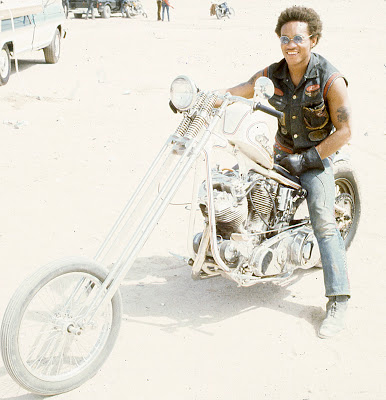
CLIFF VAUGHS: THE STORY BEHIND THE "CAPTAIN AMERICA" CHOPPER

©1969 Columbia Pictures

©1969 Columbia Pictures

Cliff Vaughs, c. 1974

Cliff Vaughs, c. 1974

The "Captain America" chopper is arguably the most famous and recognizable motorcycle in the world, but the story behind its design and creation is little known to those outside of the motorcycle community.  Cliff Vaughs, a lifelong motorcycle enthusiast, civil rights activist and film maker, met actor Peter Fonda as they both lived in West Hollywood in the 1960's. Fonda returned with Dennis Hopper to the backyard where Cliff was regularly found building his motorcycles to discuss early ideas of the iconic film "Easy Rider".  Vaughs, then well-known as a biker, builder and designer in the community, was given the task of building (as Associate Producer) the motorcycles and scenic concepts with mentor and builder Ben Hardy, a major pioneer of the SoCal bike scene himself.  He was also instrumental in hiring Director of Photography Baird Bryant (uncredited).  Legend has it that Vaughs actually missed the 1963 March on Washington because he was working on one of his motorcycles at the time.

The Design

Vaughs created the famous "Captain America" chopper with the inspiration of the Marvel comic book character of the same name.  The main characters "Capt. America and his sidekick "Bucky" led to naming the eponymous machine and the "Billy", steed of co-star and 'ER' film director Dennis Hopper.  There were a total of four motorcycles built for the film, based on 40's and 50's Harley Davidson police motorcycles which Vaughs had purchased at auction for $500.  With initial ideas given to him by Peter Fonda, Vaughs, with Hardy set forth to create the most iconic motorcycle ever captured on film.

harleyeasyriderchopper.jpg

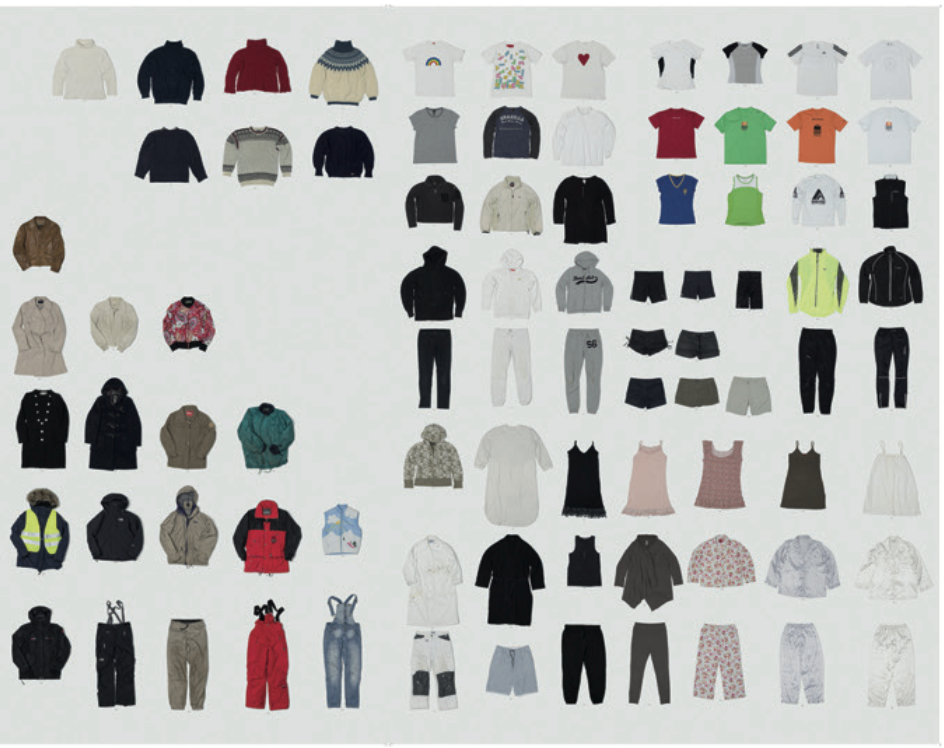
NOTHING TO WEAR: PIA MOUWITZ

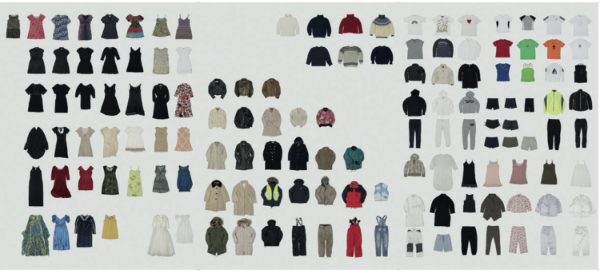
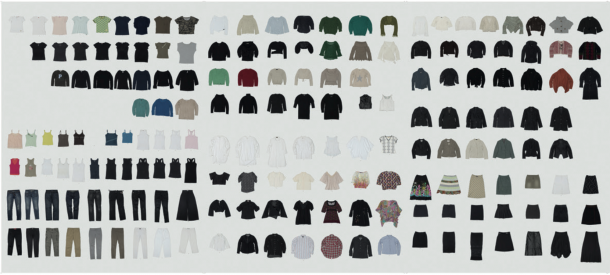
"With a picture of all my clothes, I want to see for myself and try to understand the value of each garment and what meaning they actually have." -- Pia Mouwitz

HV Galleri in Stockholm is holding a exhibition "Nothing To Wear" created by Pia Mouwitz, University of Borås Senior Lecturer on textiles and fashion.  "NTW" addresses the old adage we have all uttered when staring at our wardrobes, "I have nothing to wear". Mouwitz took this to the next level, she photographed her entire wardrobe and created a contact sheet of sorts to analyze this prevalent condition (or question) is this really true?  With this fascinating visual study, Pia seeks to find the value of each piece of clothing in the greater landscape of her collection of garments.

Swedish Fashion Week is on now until February 6th.

Follow Pia @MouwitzP

HV Galleri Website

Michael Tummings : Hidden Book | Huntsman Figure

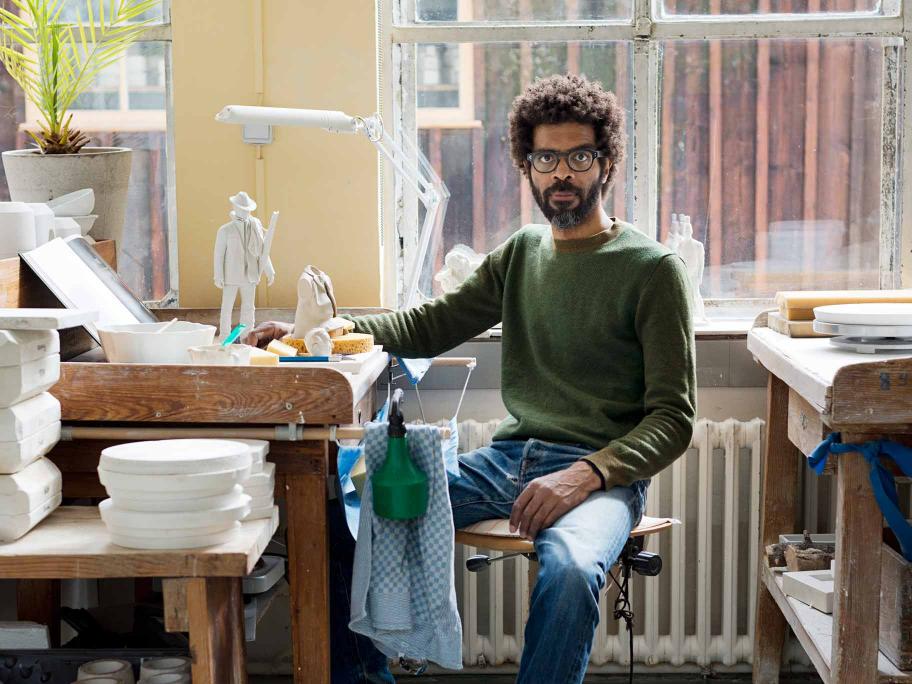
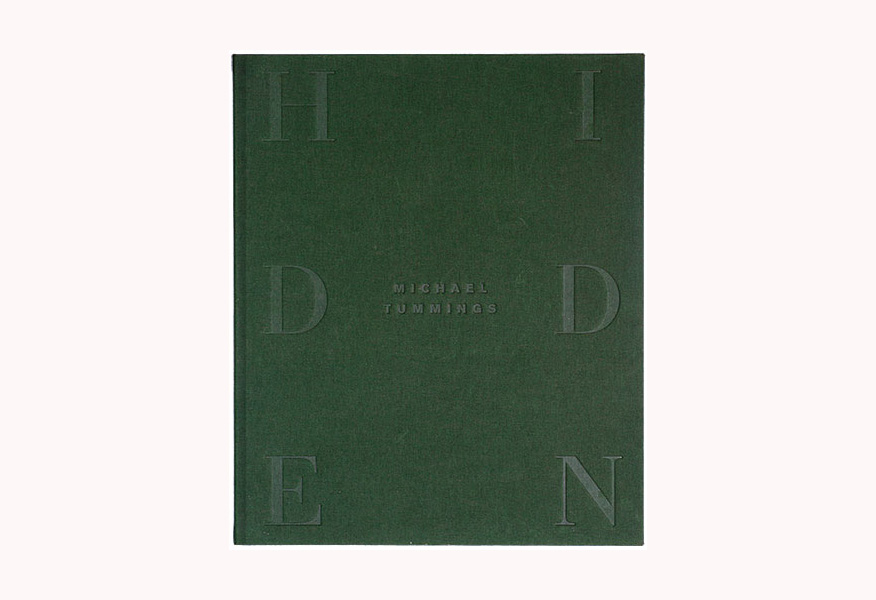
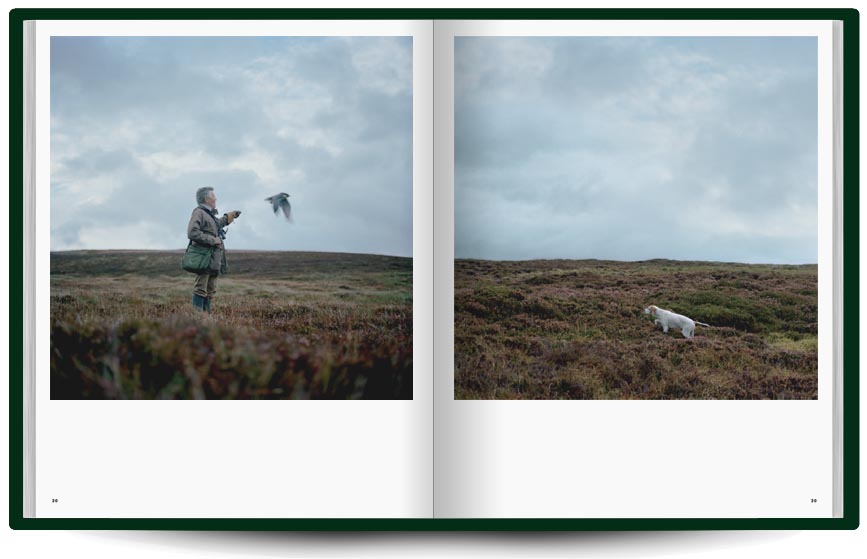
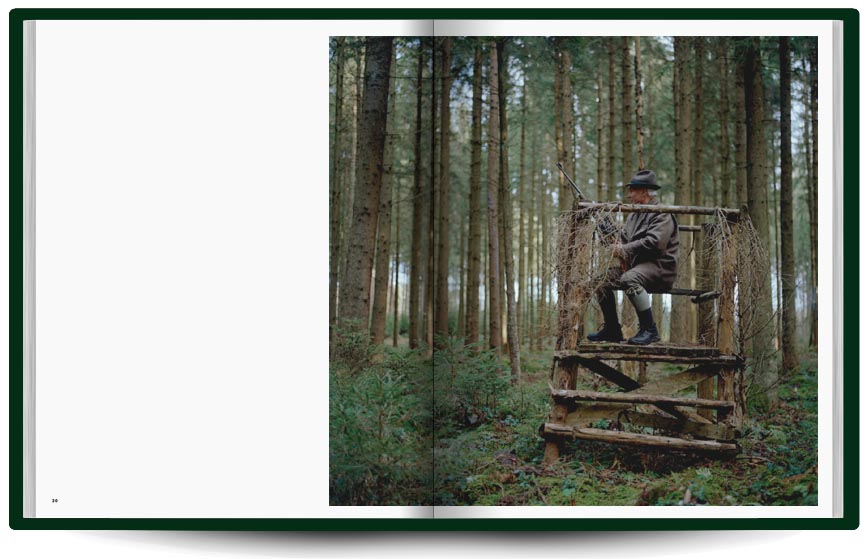
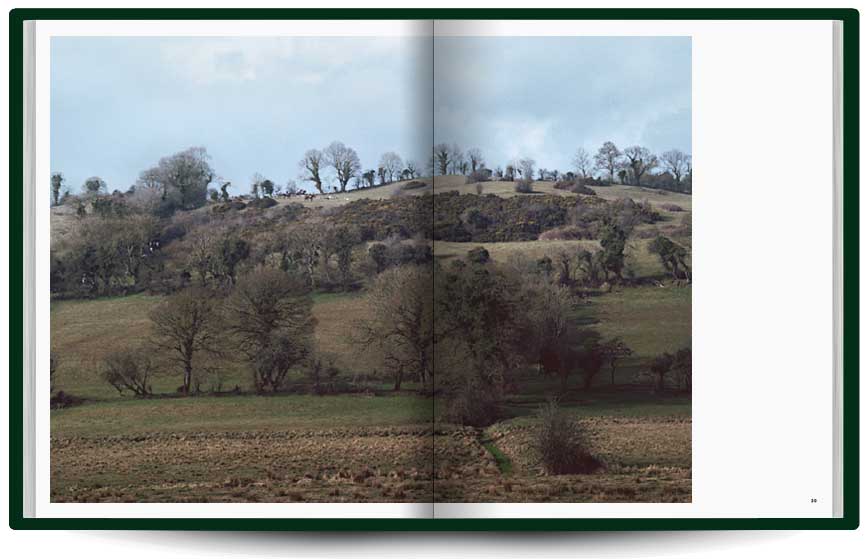
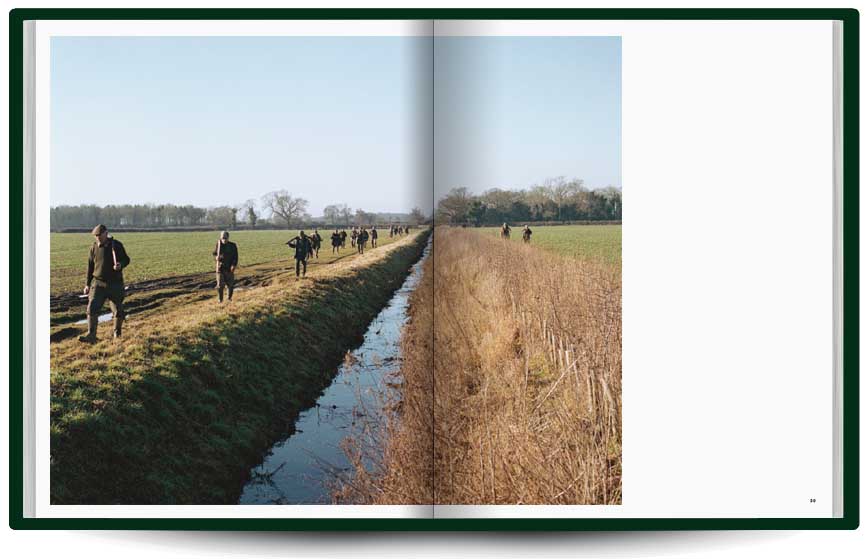
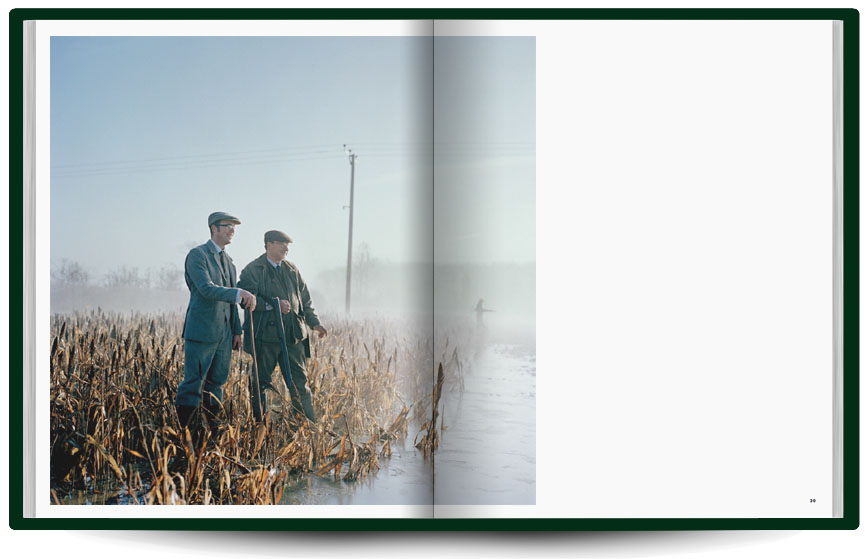
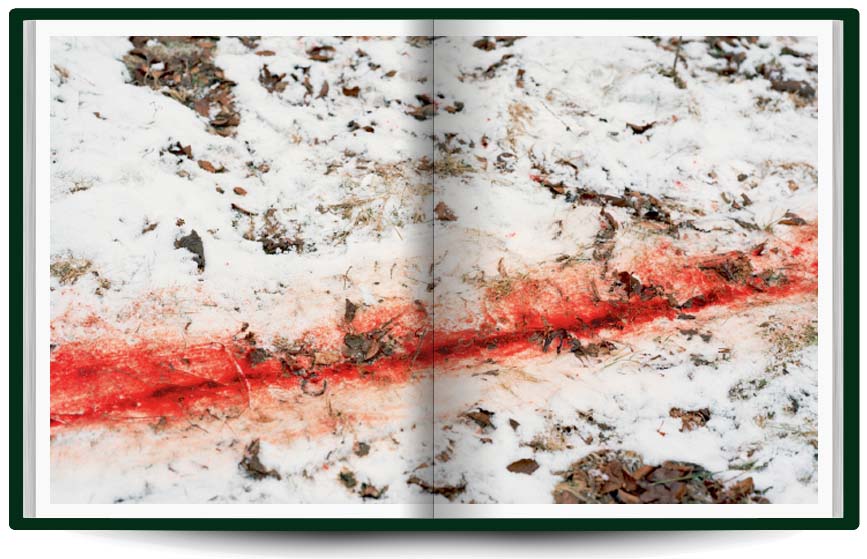
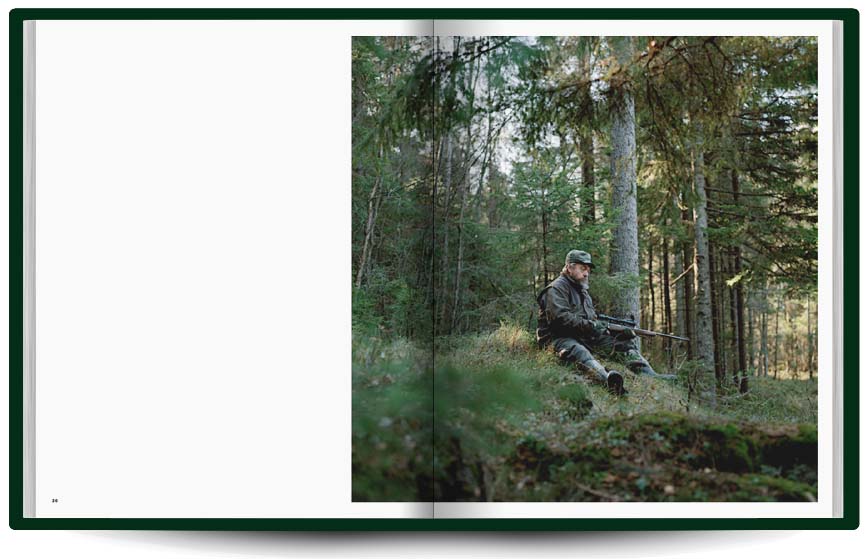
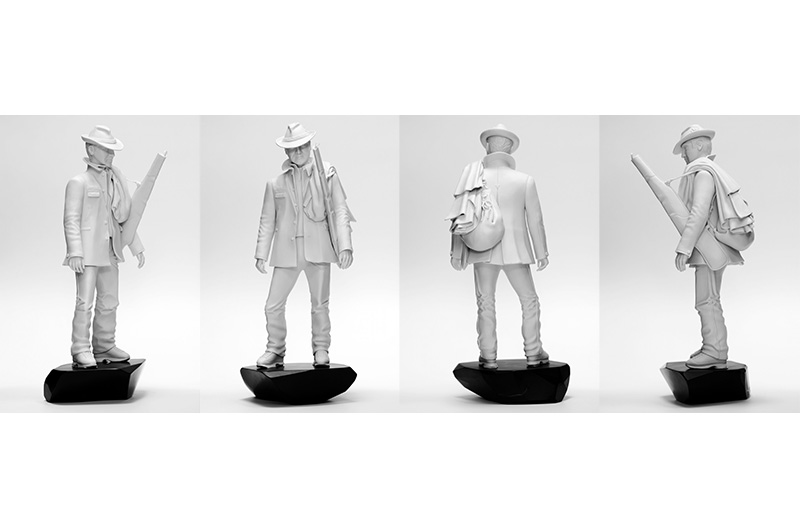
One of the coolest projects we've seen in awhile; British artist and photographer Michael Tummings documents the 'tribal' culture of hunters in their environments in a beautiful monograph titled "Hidden". Michael has also created a porcelain figure (limited to 25 pieces) series titled 'Huntsman' in a collaboration with German company Nymphenburg Porcelain Manufactory, a company begun in 1747.  The figure is based largely on the subjects of the book, created to incredible detail using centuries-old techniques.

Michael Tumming’s series “Hidden” is a photographic study of a group of people and their culture going beyond the portraiture of individuals and presenting them as a kind of tribe. Tummings has followed the hunt throughout Europe (England, Romania, Spain, Germany,…) over five years. Travelling widely in season, the hunts he experienced were social events.

©2014 Michael Tummings / ©Porzellan Manufaktur Nymphenburg 

Riverbed: Olafur Eliasson | Lousiana Museum of Modern Art, Denmark

Image Courtesy © Olafur Eliasson

Olafur Eliasson's take on Louisiana is radical, fascinating and unique. The central work in the first solo exhibition at the museum by the Danish-Icelandic artist is a huge, sitespecific project that reverses the relation between nature and art.
The transitions between inside and outside, culture and staged nature, become fluid and transitory – and the progress of the visitor through the museum becomes a central issue. The exhibition consists of three sections that each thematize the encounter between Eliasson’s art and Louisiana as a place. Transforming the entire South Wing into a rocky landscape, Riverbed, Eliasson focuses on inhabiting space in a new way and inserts new patterns of movement into the museum.--
-- Louisiana Museum of Modern Art
Source: http://en.louisiana.dk/exhibition/olafur-e...